Support Implantation, Endometrial Thickness, and Receptivity — Naturally
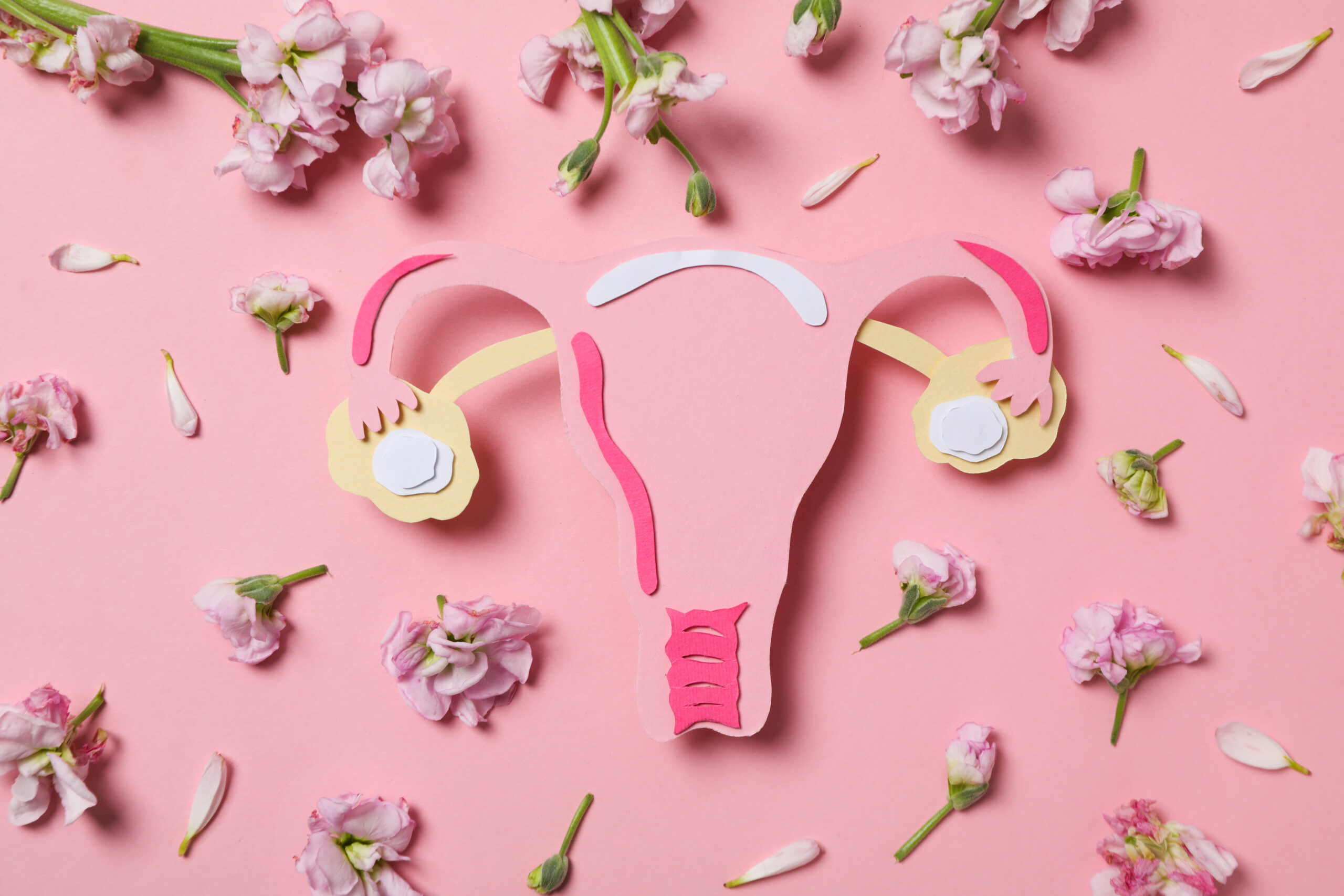
A healthy uterine lining is key to successful implantation and full-term pregnancy. If you’ve been told your endometrial lining is too thin, or you struggle with implantation failure or immune-related fertility issues, we offer a holistic and evidence-based approach.
At Joy Wellness, we combine the wisdom of Traditional Chinese Medicine (TCM), functional nutrition, and targeted therapies like red light and E-Stim acupuncture to optimize your endometrial environment.
What Contributes to Thin or Non-Receptive Uterine Lining?
- Low estrogen or progesterone levels
- Poor blood flow to the uterus
- Inflammation or immune dysregulation
- Luteal phase defect
- Prior D&Cs, fibroids, endometriosis
- Thin endometrium on ultrasound (<7mm)
We help you restore lining thickness, vascularity, and immune balance over a 3-month protocol aligned with your cycle or fertility treatments.
E-Stim Acupuncture for Uterine Blood Flow & Receptivity
E-Stim acupuncture involves applying gentle electrical stimulation to acupuncture needles to:
- Improve uterine artery blood flow
- Enhance progesterone response in the luteal phase
- Support healthy endometrial development
Stener-Victorin et al., 1996 & 2003 – Demonstrated that electroacupuncture increases uterine blood perfusion and modulates endometrial receptivity.
In addition to its direct effects on blood flow, acupuncture activates the parasympathetic nervous system, helping shift the body out of stress response. This promotes hormonal balance and better uterine circulation.
Andersson & Lundeberg, 2010 – Acupuncture has regulatory effects on autonomic function, improving parasympathetic tone and tissue perfusion.
We also incorporate breathwork and nervous system support to reduce cortisol and sympathetic overactivation, which can impair reproductive function.
We recommend 2x/week E-Stim sessions, especially:
- During the mid to late follicular phase
- Leading up to embryo transfer or ovulation
- Regular acupuncture post ovulation
E-Stim acupuncture involves applying gentle electrical stimulation to acupuncture needles to:
- Improve uterine artery blood flow
- Enhance progesterone response in the luteal phase
- Support healthy endometrial development
Stener-Victorin et al., 1996 & 2003 – Demonstrated that electroacupuncture increases uterine blood perfusion and modulates endometrial receptivity.
TCM Herbs to Nourish the Uterus
We use time-tested formulas tailored to your constitution and cycle phase. Key uterine-supportive herbs include:
- Dang Gui: Invigorates and nourishes blood; improves uterine lining thickness
- Shu Di Huang: Deeply nourishes yin and blood
- Ba Zhen Tang: Combines Qi and Blood tonics for endometrial vitality
- Zuo Gui Wan: Supports Kidney Yin and Jing to nourish the uterus
Liu et al., 2015 – Herbal treatments including Dang Gui and Shu Di improved endometrial thickness and hormonal response in IVF patients.
Red Light Therapy (660nm + 850nm) for Endometrial Health
Red and near-infrared light therapy supports:
- Mitochondrial activity in uterine cells
- Microcirculation in the endometrium
- Cellular regeneration and anti-inflammatory effects
Yoshimura et al., 2021 – Red light enhanced embryo implantation and endometrial health in animal and clinical models.
We recommend:
- 10–15 minutes of red light therapy 3–4x/week
- Lower abdominal placement
Begin in the follicular phase and continue through ovulation
Foods and Nutrients to Build Uterine Lining
We use a functional nutrition approach to support hormone production and tissue growth:
- L-arginine: Boosts nitric oxide and uterine blood flow
- Vitamin E: Improves endometrial response
- Zinc, B6, and magnesium: Support progesterone and implantation
- Omega-3s: Reduce inflammation and nourish cells
- Beets, grass fed beef, leafy greens, black sesame seeds: Improve blood quality in TCM
Check et al., 1992 – L-arginine supplementation increased endometrial thickness and pregnancy rates in IVF patients.
Immune Support for Uterine Receptivity
For women with immune activation, inflammation, or implantation failure, we address:
- Regulatory T-cell balance
- Inflammatory cytokines
- Histamine or mast cell activation
Tools we use:
- Chinese herbs that calm Liver Qi and nourish Blood (e.g., Bai Shao, Chai Hu, Dang Gui)
- Adaptogens (Reishi) for immune modulation
- Anti-inflammatory diet and gut support
Gleicher et al., 2016 – Highlighted the role of immunomodulation in enhancing implantation rates.
Book Your Uterine Receptivity Assessment
Our personalized 90-minute intake includes pulse and tongue diagnosis, review of past cycles and ultrasounds, and a roadmap to improve your lining over 1–3 months.